

What brain-cell membranes are made of
Phospholipids are the components that make up the membranes of every brain and nerve cell. Membranes surround cells, giving them structure, protecting them, and gatekeeping the nutrients that enter and the waste products that exit the cells. The phospholipids in brain cell membranes help cells function effectively and support messaging between cells.
In all cell membranes, phospholipids form a two-layer structure, called the lipid bilayer. Proteins embedded in the phospholipid bilayer control the transport of substances through the membrane.
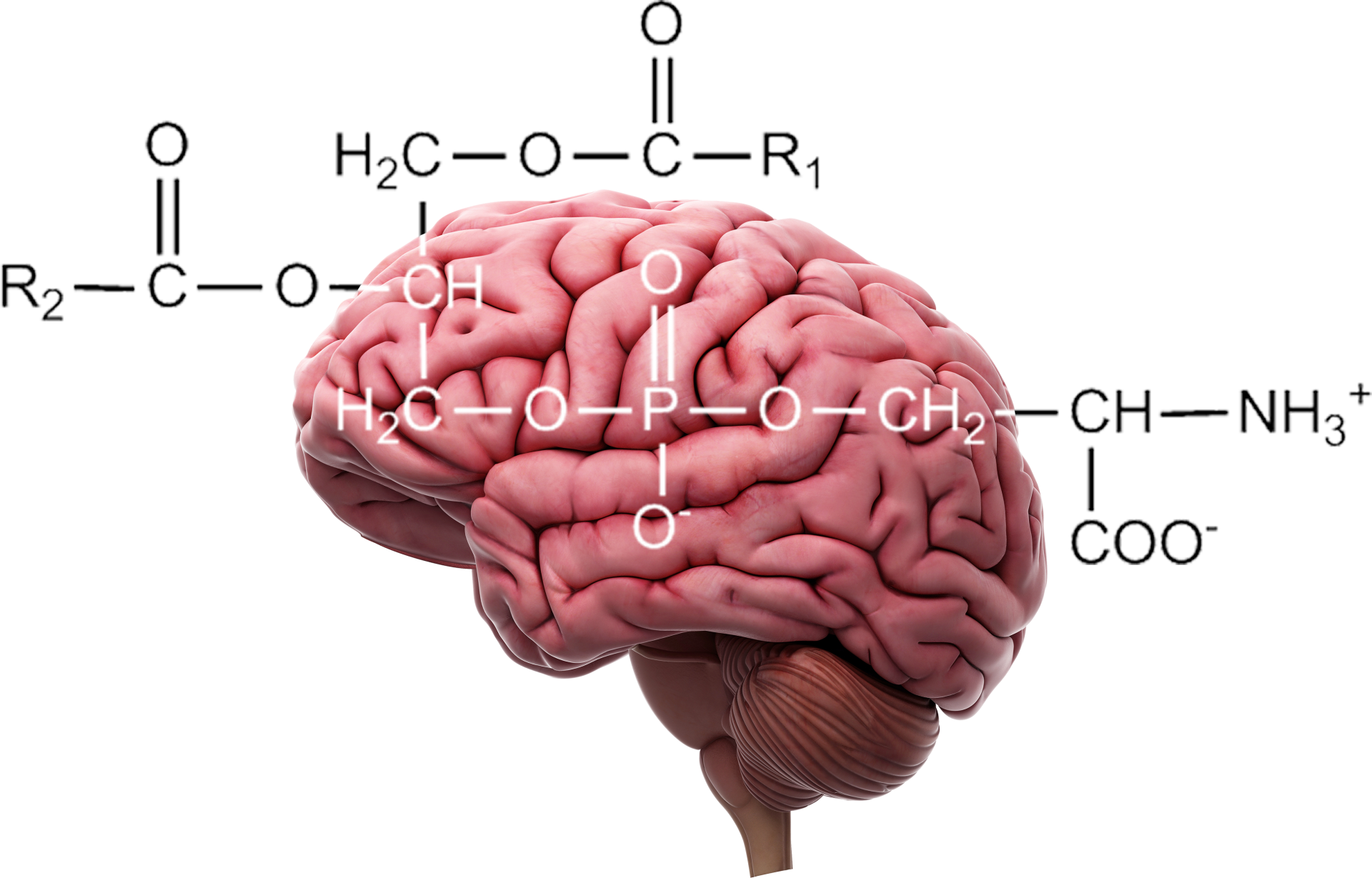
Phospholipids that every brain cell needs
A number of important phospholipids to human brain cells are:
- Phosphatidylserine (PS): the highest concentration of PS is in the brain
- Phosphatidic acid (PA)
- Phosphatidylcholine (PC)
These phospholipids can be produced from food consumed by the body. However, as people age, experience stress or have nutritional deficiencies, it can be difficult to get all the phospholipids their brains need.
Lipogen’s smart phospholipids
Lipogen offers a novel, patented way to produce concentrated phospholipids from vegan lecithin, which can supplement normal dietary intake.

